Introduction
The global cruise industry has entered a period of transformation as environmental responsibility becomes a central priority across maritime travel. Cruise operators are investing heavily in cleaner technologies, improved waste management systems, and more efficient vessel designs to reduce their environmental footprint while maintaining high-quality passenger experiences. Sustainability is no longer treated as a secondary initiative. It is becoming a defining factor shaping the future of cruise travel.
Modern travelers increasingly expect transparency regarding environmental practices. Governments and port authorities are also introducing stricter regulations that influence vessel construction, fuel selection, emissions control, and ecosystem protection strategies. In response, cruise companies are redesigning ships, improving operational procedures, and strengthening partnerships with coastal communities to support long-term environmental stewardship.
These sustainability efforts are reshaping how cruises are planned, operated, and experienced across the world.
Why Sustainability Matters in the Cruise Industry
Cruise ships operate as floating cities that require energy, water, food, logistics coordination, and waste processing systems. Because they travel across multiple ecosystems, their environmental responsibilities extend beyond a single location.
Sustainability matters in cruise operations for several important reasons:
- protection of marine biodiversity
- reduction of greenhouse gas emissions
- preservation of coastal destinations
- compliance with international maritime regulations
- alignment with passenger expectations for responsible travel
Environmental performance is now closely connected to operational credibility and long-term business resilience in the cruise sector.
Transition Toward Cleaner Marine Fuels
One of the most significant sustainability shifts involves the transition from traditional heavy fuel oil toward cleaner alternatives.
Cruise operators are increasingly adopting:
- liquefied natural gas propulsion systems
- low sulfur marine fuels
- hybrid energy solutions
- alternative biofuel testing programs
Liquefied natural gas reduces sulfur oxide emissions dramatically and lowers nitrogen oxide output compared to traditional marine fuels. While it is not a complete solution to maritime emissions challenges, it represents an important transitional step toward cleaner propulsion strategies.
Research continues into future fuel technologies such as hydrogen-based propulsion and synthetic fuels that may further reduce environmental impact in the coming decades.
Energy Efficiency Improvements in Ship Design
Shipbuilders and cruise operators are redesigning vessels to improve fuel efficiency and reduce emissions during operations.
Modern efficiency improvements include:
- optimized hull shapes that reduce water resistance
- advanced propulsion systems
- air lubrication technologies that reduce drag
- smart route optimization software
- onboard energy monitoring systems
These improvements reduce fuel consumption without affecting passenger comfort.
Energy-efficient ship design also supports compliance with evolving maritime environmental standards established by international regulatory organizations.
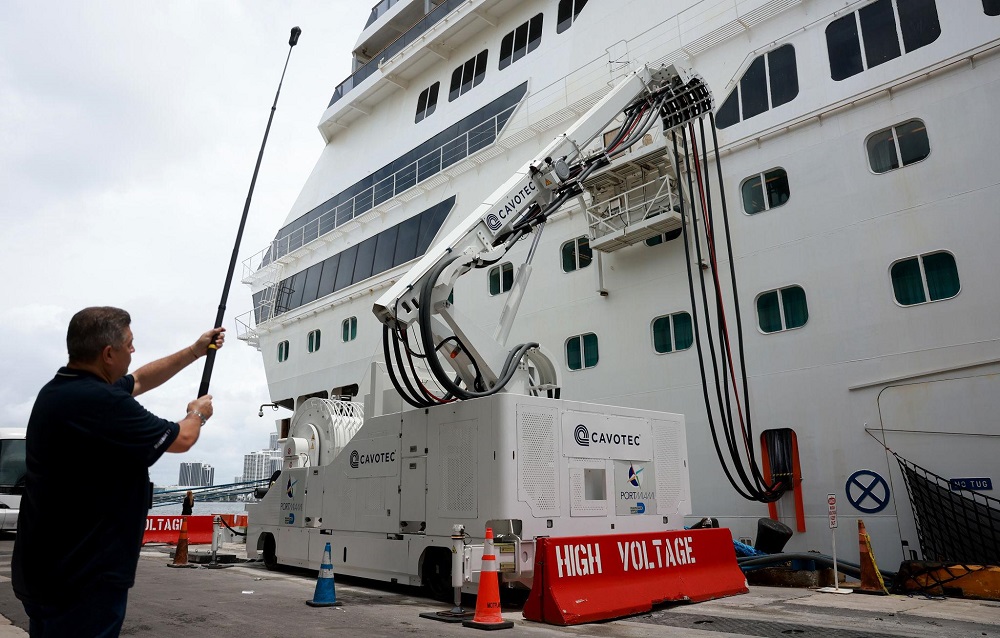
Shore Power Connections at Ports
Shore power technology allows cruise ships to connect to land-based electrical grids while docked instead of running onboard engines continuously.
Benefits of shore power include:
- reduced port emissions
- improved local air quality
- decreased noise levels near coastal communities
- reduced fuel consumption during docking periods
Ports across North America and Europe are expanding shore power infrastructure to support visiting vessels.
As more cruise ships are equipped with compatible electrical systems, shore power is expected to become a standard sustainability practice in major cruise destinations.
Advanced Wastewater Treatment Systems
Wastewater management has become a central focus of cruise sustainability programs.
Modern cruise ships now use advanced treatment technologies that process wastewater to high environmental standards before discharge.
These systems help manage:
- graywater from sinks and showers
- blackwater from sanitation systems
- galley wastewater from food preparation areas
Improved treatment systems protect marine ecosystems by reducing nutrient pollution and preserving water quality in sensitive coastal environments.
Cruise companies continue investing in onboard treatment upgrades to meet increasingly strict environmental regulations.
Solid Waste Reduction Strategies
Waste management onboard cruise ships requires careful coordination due to limited storage space and environmental responsibilities.
Cruise operators are implementing waste reduction initiatives such as:
- eliminating single use plastics
- increasing recycling programs
- improving food waste tracking systems
- donating surplus materials when possible
- redesigning packaging supply chains
Food waste monitoring technologies now help kitchens adjust portion planning and inventory usage more efficiently.
Reducing waste volume lowers environmental impact while improving operational efficiency.
Sustainable Destination Partnerships
Sustainability efforts extend beyond ships themselves. Cruise companies are strengthening partnerships with port authorities and destination communities to support responsible tourism development.
Collaborative initiatives often include:
- visitor flow management planning
- local environmental protection programs
- infrastructure investment support
- cultural preservation partnerships
- conservation education opportunities
Responsible destination engagement helps ensure tourism growth benefits local communities without overwhelming natural ecosystems.
These partnerships are essential for maintaining long-term access to popular cruise destinations.
Water Conservation Technologies Onboard
Freshwater production and usage present important sustainability challenges for cruise ships operating at sea.
Modern vessels increasingly rely on desalination systems that convert seawater into potable water for onboard use.
Water conservation strategies include:
- efficient laundry systems
- low-flow fixtures
- leak detection monitoring
- optimized kitchen water usage
- passenger awareness programs
Reducing freshwater consumption supports sustainability goals while maintaining onboard comfort standards.
Improved water efficiency also reduces energy requirements associated with water production systems.
Air Emissions Monitoring and Reduction Programs
Air quality protection remains a priority in maritime sustainability planning.
Cruise ships are adopting emissions control technologies such as:
- exhaust gas cleaning systems
- selective catalytic reduction technologies
- real-time emissions monitoring platforms
- optimized engine performance management tools
Continuous monitoring helps operators maintain compliance with emission control area regulations.
Air emissions reduction programs contribute to improved environmental performance across global shipping routes.
Digital Technologies Supporting Environmental Performance
Digital transformation plays an important role in improving sustainability outcomes across cruise operations.
Modern monitoring systems help operators track:
- fuel consumption patterns
- waste processing efficiency
- emissions performance indicators
- route optimization opportunities
- onboard energy usage trends
These insights support smarter operational decision making and allow companies to identify improvement opportunities quickly.
Digital tools also improve transparency by enabling clearer sustainability reporting.
Passenger Engagement in Sustainability Initiatives
Passengers play an important role in supporting onboard sustainability programs.
Cruise operators encourage participation through:
- recycling awareness campaigns
- water conservation reminders
- responsible shore excursion guidelines
- reduced towel replacement programs
- sustainability education activities
When travelers participate actively, environmental programs become more effective and visible.
Passenger awareness also strengthens long-term support for sustainable travel practices.
Regulatory Frameworks Influencing Cruise Sustainability
International maritime regulations continue shaping sustainability strategies across the cruise sector.
Key regulatory influences include:
- global emissions reduction targets
- fuel sulfur content limits
- wastewater discharge standards
- marine biodiversity protection policies
- port environmental compliance requirements
Regulatory alignment ensures that sustainability improvements remain consistent across global operations.
Compliance also encourages innovation as cruise companies develop new solutions to meet evolving environmental expectations.
Investment in Future Green Ship Technologies
Cruise operators are investing in next-generation vessel technologies that will further reduce environmental impact.
Emerging innovations include:
- battery supported propulsion systems
- hydrogen fuel research initiatives
- advanced hull coating technologies
- onboard carbon capture exploration
- intelligent energy storage systems
These developments support long-term industry transition toward lower-emission operations.
Technology investment remains essential for meeting future climate targets across maritime transportation sectors.
Economic Benefits of Sustainability in Cruise Operations
Environmental improvements also create operational advantages.
Sustainability investments can support:
- reduced fuel consumption costs
- improved regulatory compliance readiness
- stronger destination partnerships
- enhanced passenger confidence
- increased operational efficiency
Long-term sustainability strategies help cruise companies remain competitive while strengthening environmental responsibility.
Responsible operations support both business stability and ecosystem protection goals.
Challenges Facing Sustainability Progress in the Cruise Sector
Despite strong progress, several challenges remain.
Common obstacles include:
- infrastructure limitations in smaller ports
- high costs of new propulsion technologies
- evolving regulatory requirements
- fuel supply availability constraints
- coordination across international jurisdictions
Addressing these challenges requires collaboration between shipbuilders, governments, port authorities, and cruise operators.
Industry-wide cooperation will play an important role in supporting continued sustainability progress.
Future Outlook for Sustainable Cruise Travel
The cruise industry continues moving toward lower-impact operations supported by cleaner technologies and stronger environmental partnerships.
Future developments are expected to include:
- expanded alternative fuel adoption
- wider shore power availability
- smarter route planning technologies
- improved onboard resource efficiency systems
- deeper collaboration with coastal conservation programs
As sustainability expectations continue increasing worldwide, environmental innovation will remain central to shaping the next generation of cruise experiences.
Responsible cruise travel is becoming an essential part of the broader transformation occurring across global tourism industries.
Conclusion
Sustainability is reshaping the cruise industry through cleaner fuels, smarter ship designs, advanced wastewater treatment systems, improved waste management practices, and stronger destination partnerships. These efforts reflect both regulatory requirements and growing traveler expectations for responsible tourism experiences.
By investing in environmental innovation and collaborating with ports and communities, cruise operators are building a future where ocean travel remains both enjoyable and environmentally responsible. Continued progress in propulsion technology, emissions monitoring, and resource efficiency will help ensure that cruise travel evolves in harmony with the ecosystems it depends on.
Frequently Asked Questions
How do cruise ships reduce their environmental impact while sailing in sensitive marine areas
Ships often adjust speed, routing, and wastewater discharge procedures when traveling through protected zones to reduce ecological disturbance.
Are newer cruise ships more environmentally efficient than older vessels
Yes. Newer ships are typically designed with advanced propulsion systems, improved wastewater treatment technologies, and better energy monitoring capabilities.
Do cruise companies monitor underwater noise pollution
Many operators are studying underwater noise impacts and testing quieter propulsion technologies to protect marine wildlife communication environments.
How do cruise ships manage food sourcing responsibly
Some cruise operators prioritize regional sourcing, sustainable seafood procurement policies, and supply chain partnerships that support environmental standards.
What role do port authorities play in cruise sustainability improvements
Ports provide shore power infrastructure, enforce environmental compliance standards, and support waste handling services that reduce local environmental impact.
Can cruise passengers choose environmentally focused travel itineraries
Yes. Some itineraries emphasize conservation education experiences and visits to destinations with strong environmental management programs.
Are cruise companies working toward long-term climate neutrality goals
Many operators have announced long-term emissions reduction commitments supported by investment in cleaner fuels, energy efficiency technologies, and future propulsion research initiatives.