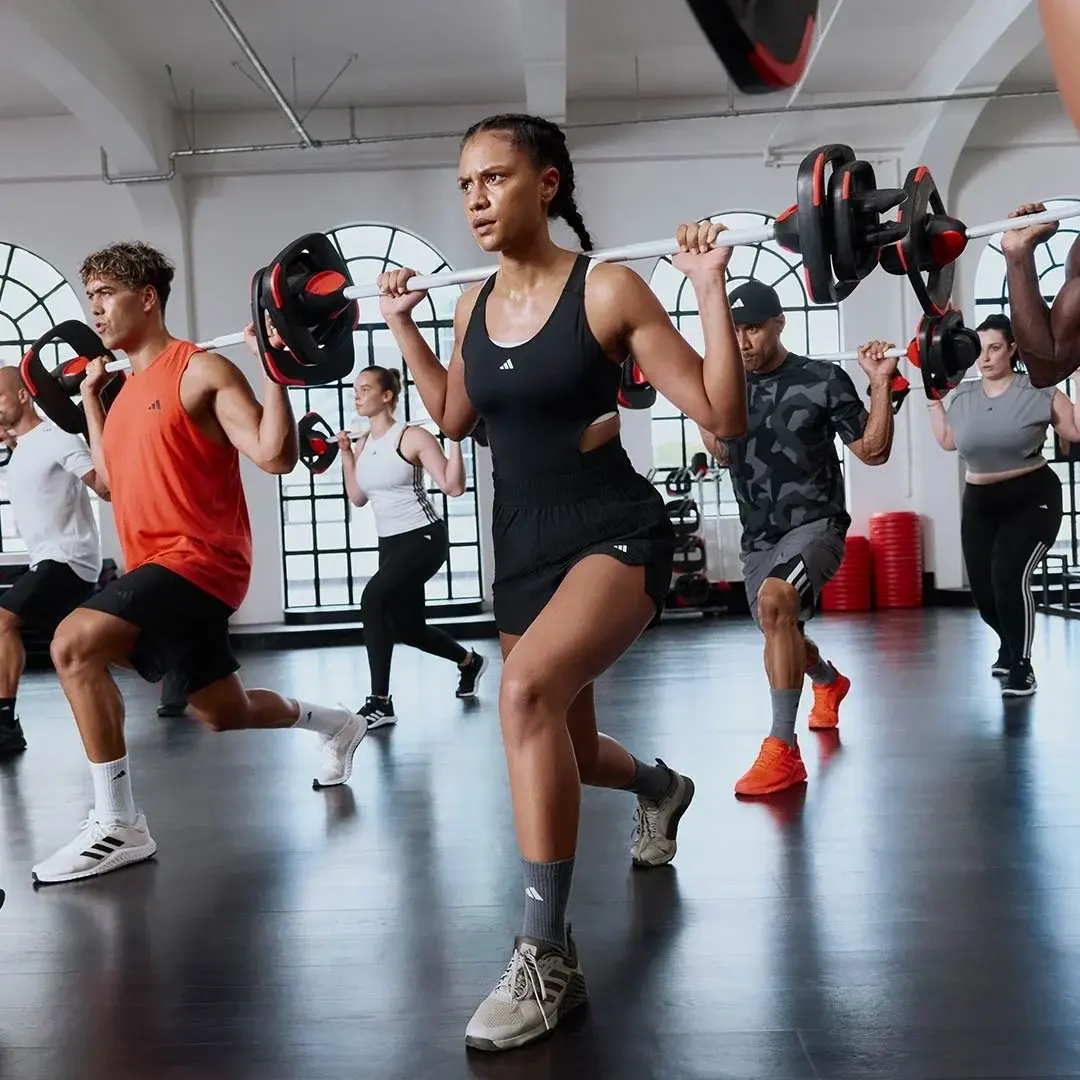
Power is often recognised by what happens at take-off. A participant jumps higher, changes direction faster or drives through an explosive movement. Yet the quality of the landing is equally important. Every take-off creates a force that must eventually be absorbed.
A well-coached Les Mills Singapore GRIT session can challenge both sides of that equation. Participants learn to produce force rapidly and then regain control before the next repetition. This combination separates purposeful power training from uncontrolled jumping.
Power Does Not End in the Air
Power describes the ability to produce force quickly. In a jump, that force sends the body away from the floor. Gravity then brings it back.
The landing asks the ankles, knees, hips and trunk to manage the returning force. If these areas coordinate well, the participant can absorb the landing and prepare for the next movement. If they do not, force may be concentrated in a smaller area or the participant may lose balance.
This is why jump height alone is an incomplete measure of quality. A lower jump with a controlled landing may be a better training choice than a higher jump followed by instability.
What a Controlled Landing Looks and Feels Like
There is no single perfect landing for every exercise. Position changes according to direction, speed and whether the participant lands on one or two feet.
However, several useful features are common. The feet meet the floor predictably, the joints bend enough to absorb force and the trunk remains organised over the base of support. The participant can either hold the landing briefly or move into the next repetition without an uncontrolled extra step.
A quiet landing can indicate better force absorption, but sound alone is not a complete test. Some studio surfaces and shoes are naturally quieter. A participant may also land quietly while the knee or trunk moves poorly.
The more useful question is whether the participant controls the landing or the landing controls the participant.
The Ankle, Knee and Hip Share the Load
Landing is a whole-chain task. The ankle begins adapting as the foot contacts the floor. The knee bends, and the hip helps absorb force while controlling the pelvis and trunk.
If one area contributes less, another may have to contribute more. Limited ankle motion may change knee or trunk position. Poor hip control may allow the knee to move unpredictably. Excessive trunk movement can shift the centre of mass away from a stable landing.
This does not mean every visible variation is dangerous. Bodies differ, and movement must be interpreted in context. Pain, loss of control and repeated inability to stabilise are more meaningful than demanding identical positions from everyone.
Why Fatigue Makes Landing Skill More Important
Early repetitions often look controlled because the participant is fresh. As breathing and muscular fatigue increase, landing mechanics may change.
The knees may become stiffer, the feet may land wider or the trunk may fall forwards. Direction changes may also become slower and less accurate.
This is where intelligent scaling matters. Reducing jump height, removing the jump or slowing the transition can preserve the movement’s purpose. The participant can continue producing intent without accumulating poor landings.
At True Fitness Singapore, class participants can use the instructor’s lower-impact options before control is completely lost. Scaling works best when it is proactive.
How Controlled Landings Are Progressed
Power training should develop from a base of landing competence. A simple progression may begin with learning to decelerate from a calf raise or small hop. The participant can then increase height, speed or directional complexity.
A practical sequence is:
- Stable bodyweight squat and split stance.
- Small two-foot take-off and landing.
- Repeated jumps with a controlled rhythm.
- Lateral or rotational jumps.
- Faster combinations or single-leg emphasis.
Progression is not determined by bravery. The participant should be able to stop or modify the movement deliberately.
Someone who can jump repeatedly but cannot hold the final landing may need more deceleration practice before increasing intensity.
Power Volume Is More Important Than People Think
A class may contain several jumping exercises across multiple rounds. Each contact with the floor contributes to total landing volume.
Participants often track minutes, calories or heart rate but ignore the number of high-impact contacts they accumulate during a week. Running, court sports and other classes can add to the same load.
This matters because tissues adapt at different rates. Cardiovascular fitness may improve quickly, while tendons and joints may need more gradual exposure.
A participant who feels aerobically capable of adding another high-impact class may not yet be ready for the additional landing volume. Weekly planning should account for all jumping and running activities, not only GRIT.
Surface, Footwear and Space
Landing quality depends partly on the environment. A predictable floor gives participants confidence to place the feet properly. Poor grip may cause cautious, stiff landings, while excessive grip can interfere with pivots.
Shoes should fit securely and provide enough lateral stability for directional work. Extremely soft footwear can feel unstable, although individual preference and movement history matter.
Space is equally important. Participants need enough room to land without adjusting mid-air to avoid equipment or another person. Equipment should be positioned before the interval begins and should not intrude into expected landing zones.
When Low-Impact Options Are the Better Power Choice
Removing impact does not always remove power. A participant can perform a fast squat, forceful step-up or explosive drive without leaving the floor.
These options may suit someone building confidence, managing impact volume or returning after a break. They can also preserve training quality late in a session when jumping has become poorly controlled.
The key is intent. A low-impact movement performed slowly and casually may not train power. The same movement performed with rapid, controlled force can create a meaningful stimulus.
Participants should distinguish between impact, which describes the collision with the floor, and power, which describes the rate of force production.
Warning Signs That Should Not Be Ignored
Normal training fatigue may include muscular heaviness and reduced jump height. Sharp pain, repeated joint giving way or discomfort that worsens with each landing requires a different response.
Continuing to jump through altered mechanics may increase irritation. The movement should be stopped or replaced, and persistent symptoms should be assessed appropriately.
Previous injury does not automatically prohibit jumping. It does mean that progression, weekly volume and professional guidance may need closer attention.
Frequently Asked Questions
Q: Does landing softly guarantee good technique?
A: No. Sound is one clue, but balance, joint control, direction and the ability to prepare for the next repetition are also important.
Q: Can I improve power without jumping?
A: Yes. Fast step-ups, controlled explosive squats and other low-impact movements can train rapid force production when performed with appropriate intent.
Q: Why do my landings become stiff near the end of class?
A: Fatigue can reduce coordination and the ability to absorb force through the ankles, knees and hips. Lowering jump height or changing to a non-jumping option may help.
Q: How many high-impact classes should I attend weekly?
A: There is no universal number. Running, sport, previous injuries, strength and recovery all influence suitable volume. Increase exposure gradually.
Q: Should knee position look identical for every participant?
A: No. Anatomy and movement strategy vary. The focus should be on control, comfort and consistency rather than forcing everyone into one visual template.