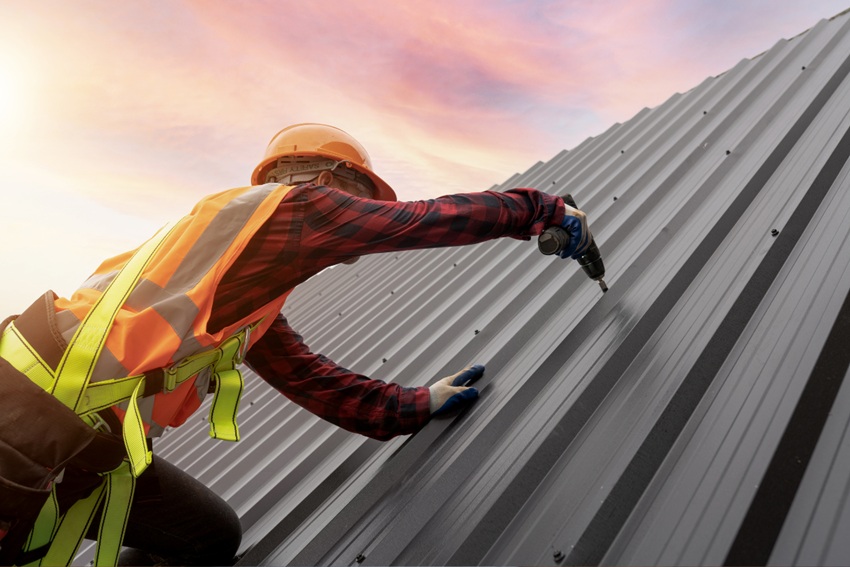
A solid roof is more than a structural necessity—it’s a strategic asset. Whether you’re safeguarding inventory, reducing energy costs, or ensuring compliance with safety regulations, the right commercial roofing system can make or break your business continuity. In this guide, we explore how high-quality, durable roofing solutions contribute to long-term value, sustainability, and operational resilience.
The Integral Role that Secure Commercial Roofing Plays in Enterprise Resilience
Why a Durable Roof Is Crucial for Your Bottom Line
A rugged and well-maintained roof serves as the frontline against nature’s challenges, safeguarding a business’s tangible assets while also shoring up its repute and seamless functioning. Across numerous industries—particularly those reliant on inventory, electronics, or sensitive instruments—even a small leak or deterioration can quickly spiral into significant repair costs and operational setbacks.
For example, imagine a data center facing water infiltration. The cost to replace damaged servers, restore lost data, and manage customer dissatisfaction could be substantial. Furthermore, damaged roofing may lead to increased insurance premiums or even denial of coverage. Insurers often assess the structural integrity of a building, and an aging or compromised roof can raise red flags. Thus, investing in commercial roofing isn’t just maintenance—it’s a foundational business decision that enhances continuity and profitability.
Also, a quality roofing system contributes to workplace safety, shielding employees from environmental hazards and contributing to a comfortable work environment. This factor not only supports morale but can also reduce liability.
Eco-Conscientious Rooftop Alternatives: A Funding in Potentialities
With sustainability at the core of many corporate missions, eco-friendly commercial roofing solutions are gaining traction. Green or vegetative roofs, for instance, provide insulation, reduce the urban heat island effect, and manage stormwater effectively. These rooftops support biodiversity by creating habitats for birds and insects and can improve local air quality.
Cool roofing systems, coated with reflective materials, deflect sunlight rather than absorb it. This leads to significant energy savings, especially during summer months. In warm climates, businesses can expect reduced HVAC loads and lower electricity bills, enhancing both environmental and financial outcomes.
Governments often provide tax incentives and grants for businesses that adopt energy-efficient infrastructure. This makes the initial investment more feasible and the long-term savings even more pronounced. As consumer behavior increasingly favors sustainable brands, green roofing can also enhance your company’s market reputation.
Making the Green Choice Work for You
To capitalize on green roofing benefits, consult sustainability experts and ensure alignment with local climate and regulations. Evaluate rooftop usage—whether for solar panels, gardens, or employee recreational areas—and work with a designer who understands environmental engineering.
Durability and Lifetime: A Prudent Spend Over Time
When assessing commercial roofing possibilities, longevity is a key metric. Unlike residential roofs, which may require replacement every 15 to 20 years, commercial roofing systems can last 30 years or more when properly maintained.
Materials such as Thermoplastic Polyolefin (TPO), Ethylene Propylene Diene Terpolymer (EPDM), and modified bitumen are highly durable and suited for various climates. TPO, for example, is resistant to UV radiation, chemical exposure, and high temperatures. EPDM is known for its elasticity and performance in colder climates. These systems not only withstand natural elements but also minimize repair frequency.
Cost-conscious businesses often hesitate at the upfront expense of premium roofing systems. However, when accounting for reduced maintenance, fewer disruptions, and extended service life, these investments offer remarkable ROI. Conducting a life-cycle cost analysis helps visualize the long-term savings versus short-term expenditures.
Added Benefits: Property Valuation and Resale
A new or well-maintained roof can significantly enhance property value. Prospective buyers or tenants view commercial roofing conditions as indicators of overall building health. A premium roof often translates into quicker sales and higher closing prices.
Analysing Traditional vs Trendy Roofing Answers
Traditional roofing materials such as asphalt shingles and clay tiles have long been trusted for their affordability and ease of installation. However, these options often lack in energy efficiency and durability when compared to modern materials.
Metal roofing, for instance, provides fire resistance, longevity (up to 70 years in some cases), and recyclability. Meanwhile, single-ply membranes like PVC and TPO offer flexibility and excellent performance on flat or low-slope roofs.
Balancing Innovation with Practicality
Choosing between traditional and modern materials depends on multiple factors. For instance, climate plays a critical role in material performance. Harsh winters may require flexible, cold-resistant materials like EPDM, while hotter regions might benefit from reflective cool roofing systems. The intended usage of the roof also matters; roofs that support HVAC units or solar panels need to have sufficient load-bearing capacity and structural support. Additionally, adherence to local building regulations can influence material choices, especially where energy efficiency or fire resistance is mandated. Finally, aesthetic preferences or historical preservation requirements may drive the choice toward materials that complement the architectural character of the building.
A thorough consultation with architects and engineers ensures the chosen solution meets all criteria.
Specialized Roofing Solutions for Distinct Commercial Environments
Each industry presents unique challenges that influence roofing decisions. In the foodservice sector, sanitation and drainage are top priorities. Roofs must support frequent cleaning and resist mold or microbial growth.
Manufacturing plants, on the other hand, often need roofs that support additional load, including catwalks, exhaust units, and storage. Chemical resistance may also be vital.
Coastal and humid regions demand corrosion-resistant materials like aluminum or fiberglass, which resist rust and withstand high salt exposure. Similarly, in wildfire-prone zones, fire-rated roofing can be essential.
Customization Is Key
Tailoring your roof to industry needs enhances safety and functionality. Collaborate with specialists familiar with your business type to design a system that supports long-term success.
Understanding the Value of Consistent Roof Inspection: Safeguard Your Investment
Why Routine Evaluations Are Imperative
Regular inspections are crucial in extending the life of commercial roofing. Shifting temperatures, heavy storms, and debris accumulation contribute to deterioration. A small crack today could become a major leak during the next storm.
Biannual inspections (spring and fall) are ideal. During these evaluations, experts check for any punctures or tears in the membrane, which could compromise the waterproofing capability. They also look for blistering or bubbling, which may signal trapped moisture or air beneath the surface. Signs of animal activity, such as nests or gnaw marks, are also identified, as they can lead to membrane breaches. Debris and blocked drainage points are addressed to prevent water buildup. Finally, inspectors assess the roof for water pooling, which can place excessive strain on the structure and accelerate material wear.
These inspections can also keep warranties intact, as many manufacturers require documentation of regular maintenance.
Integrating Inspections into Your Business Routine
Assign responsibility to facility managers or building maintenance teams and work with certified inspectors. Digital tools and inspection apps can also help track issues and maintenance timelines.
DIY vs. Professional Maintenance: Pros and Cons
While some upkeep can be handled in-house—such as removing leaves or checking drains—complex tasks should be left to professionals.
Working on a roof involves fall risks and exposure to hazardous materials. Professionals bring specialized tools, safety training, and diagnostic expertise that significantly reduce error margins.
Strategic Maintenance Planning
Develop a maintenance calendar and establish a relationship with a reliable contractor. Schedule annual deep inspections and cleanings. In high-risk climates, consider quarterly check-ins.
Common Problems and Their Solutions: A Quick Guide
Leaks
Leaks are one of the most common issues in commercial roofing systems and are often caused by damaged membranes, faulty flashing, or old seals that have lost their integrity. These can usually be addressed by resealing the affected areas or applying patches that are compatible with the existing roofing material. To prevent future leaks, business owners should ensure timely inspections and prompt repairs at the first sign of damage.
Pooling Water
Pooling water, or ponding, occurs when water accumulates on the roof due to poor drainage or an uneven surface. This can lead to structural strain, faster degradation of roofing materials, and eventual leaks. Solutions include installing tapered insulation to improve the roof’s slope, adding new drainage routes, or maintaining clear gutters and downspouts to facilitate proper water flow.
Blistering and Bubbles
Blistering and bubbling indicate the presence of trapped moisture or air beneath the roofing membrane. If ignored, these issues can expand and cause sections of the roof to delaminate or deteriorate prematurely. These defects are usually managed by venting the area or replacing the affected sections, thus restoring the roof’s protective integrity.
Understanding these common problems empowers business owners to be proactive, reducing long-term repair costs.
The Importance of Professional Installation: Don’t Skimp on Quality
How to Choose the Right Contractor for Your Roofing Project
Choosing the right installer can determine the success or failure of your roofing project. Look for contractors who are licensed and bonded, ensuring they meet local regulations and safety standards. Prioritize companies that have substantial experience in commercial projects, as these providers are more likely to understand complex requirements and offer tailored solutions. Transparency is also vital—demand detailed contracts that include clear timelines, materials to be used, and warranty terms. Check for online reviews and testimonials from previous clients to assess reputation and reliability.
Ask for references, inspect previous work, and get quotes from multiple providers. Avoid selecting based on price alone. The lowest bid can sometimes reflect inexperience or lower-quality materials.
Protecting Your Investment with Warranties
Warranties provide peace of mind but require careful reading. Manufacturer warranties cover defects in materials, while installer warranties ensure proper workmanship.
Ensure your contractor explains exactly what is covered and for how long. Understand what specific actions—such as failure to conduct regular inspections or unauthorized repairs—could void your warranty. Determine whether the warranty is transferable if the property is sold, which could add value to your asset.
Use warranties as a decision-making tool. Products with longer or more comprehensive guarantees often signal higher quality and manufacturer confidence.
By carefully planning, inspecting, and maintaining your commercial roofing system, your business can realize lasting performance, lower costs, and greater peace of mind. Whether you’re retrofitting an existing structure or developing a new property, your roof is a cornerstone of business success.